
Skjoldehamn Cowl Knud Herringbone
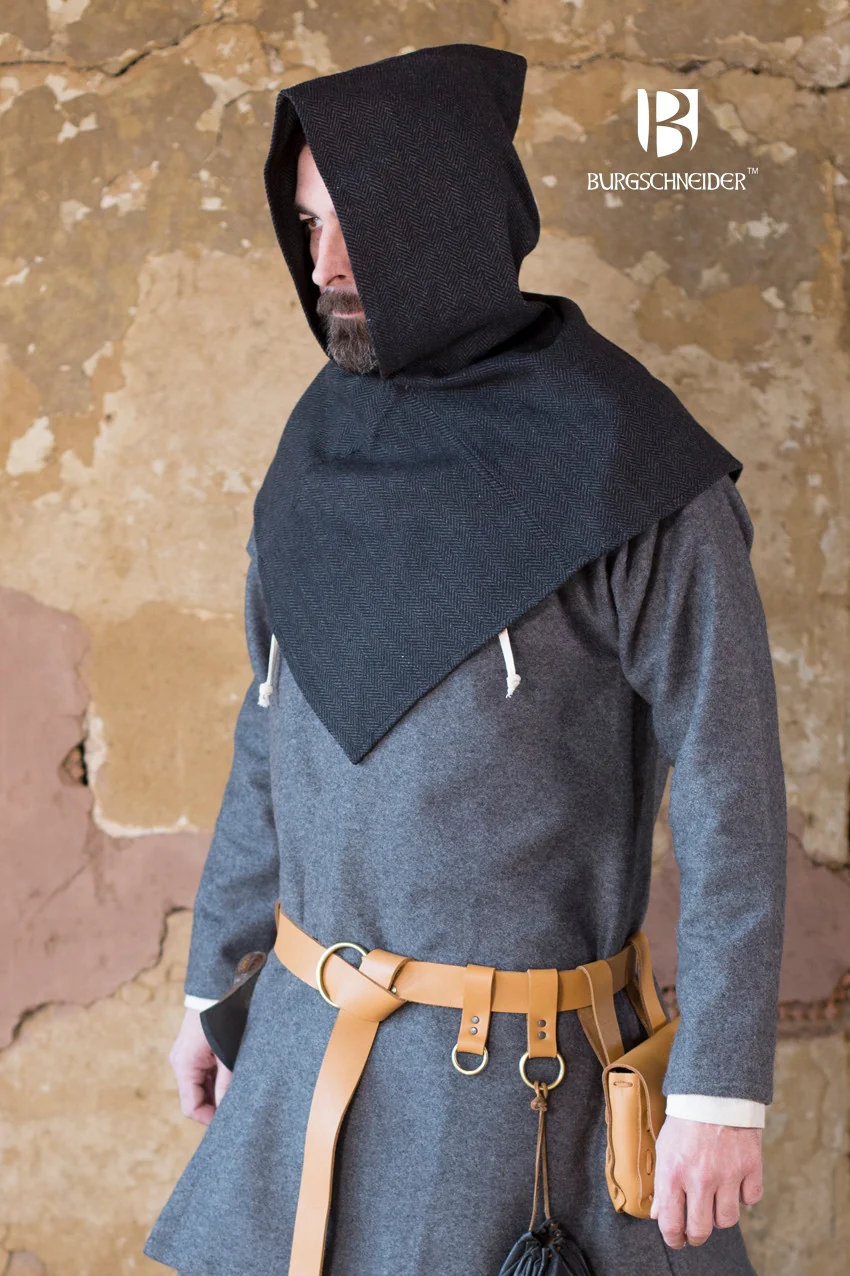
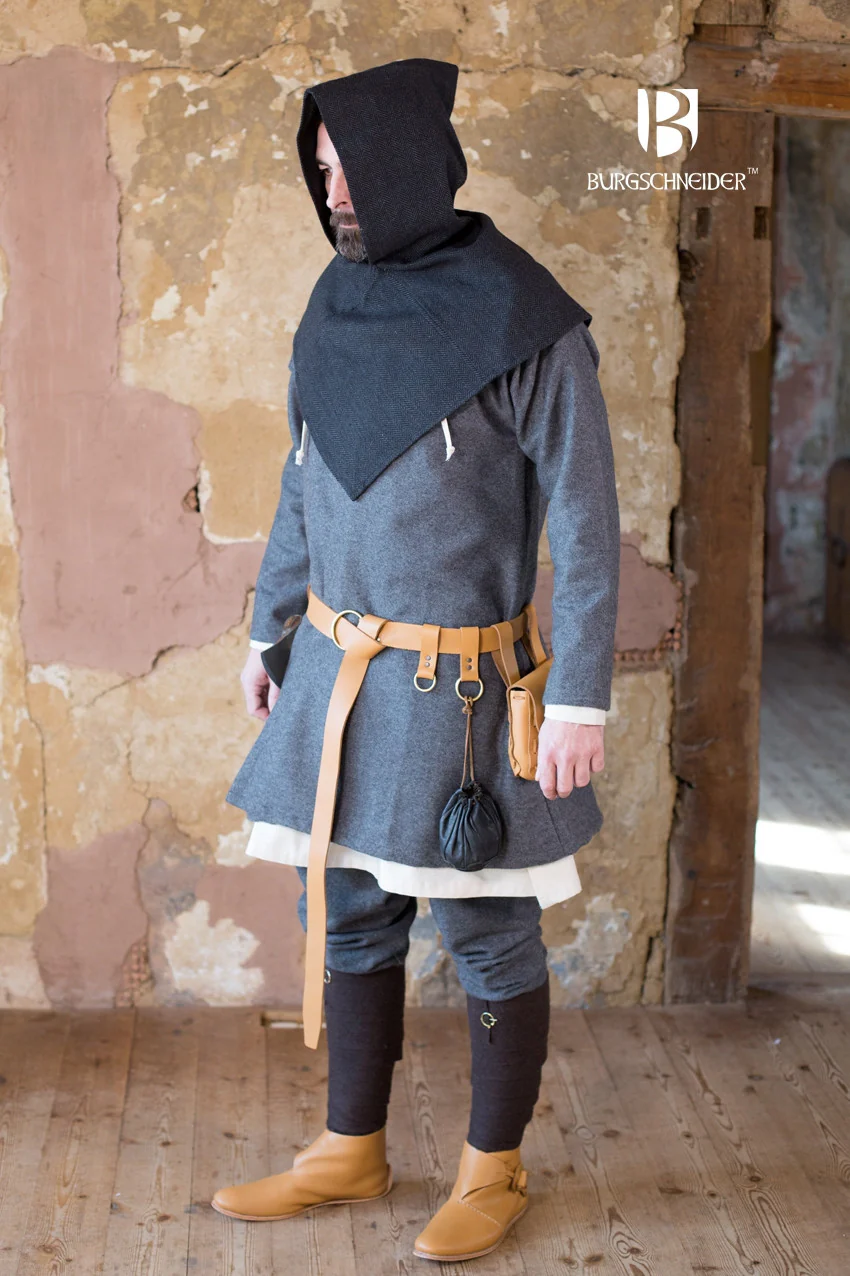
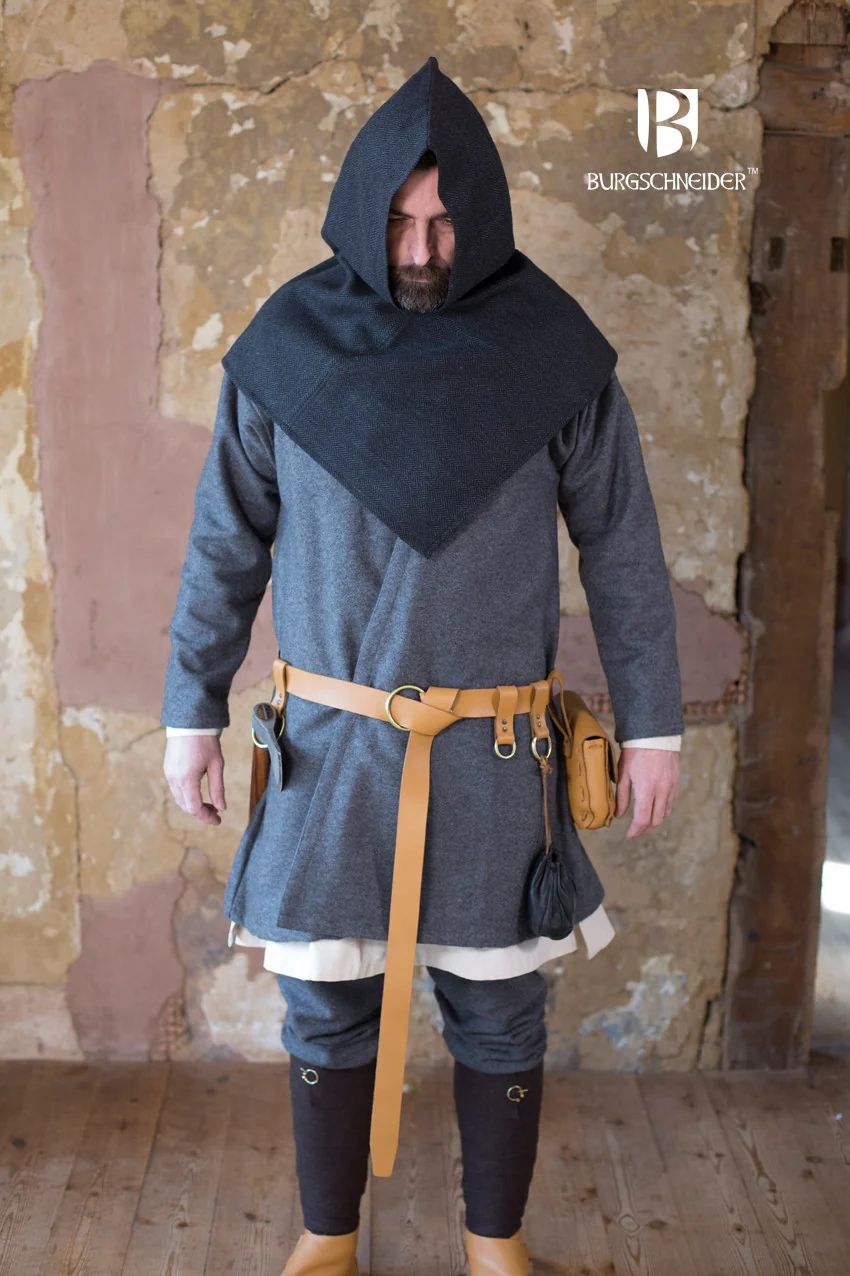
The discovery of the Skjoldehamn Cowl in a pagan grave from the first half of the 11th century is significant as it represents one of the earliest examples of the headgear known as "Gugel". The hood features a simple square shape and a wide brim that ends in a corner on the chest. Since its recovery in 1936, the Skjoldehamn grave has generated much interest and remains an object of ongoing research and inquiry. Current studies place the date of the pagan grave in the marshland during the first half of the 11th century.
Original: $46.00
-70%$46.00
$13.80More Images




Skjoldehamn Cowl Knud Herringbone
The discovery of the Skjoldehamn Cowl in a pagan grave from the first half of the 11th century is significant as it represents one of the earliest examples of the headgear known as "Gugel". The hood features a simple square shape and a wide brim that ends in a corner on the chest. Since its recovery in 1936, the Skjoldehamn grave has generated much interest and remains an object of ongoing research and inquiry. Current studies place the date of the pagan grave in the marshland during the first half of the 11th century.
Product Information
Product Information
Shipping & Returns
Shipping & Returns
Description
The discovery of the Skjoldehamn Cowl in a pagan grave from the first half of the 11th century is significant as it represents one of the earliest examples of the headgear known as "Gugel". The hood features a simple square shape and a wide brim that ends in a corner on the chest. Since its recovery in 1936, the Skjoldehamn grave has generated much interest and remains an object of ongoing research and inquiry. Current studies place the date of the pagan grave in the marshland during the first half of the 11th century.